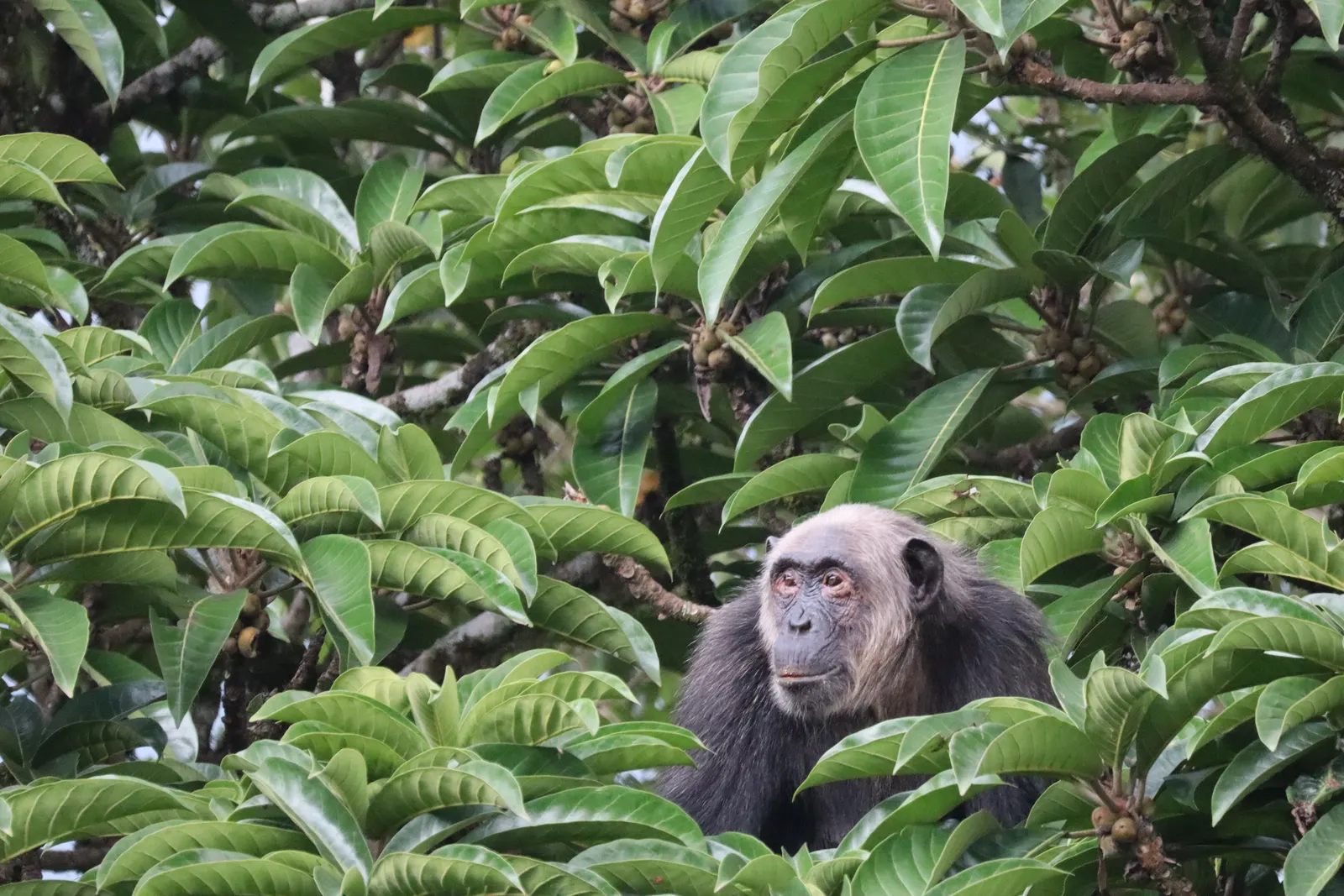
Chimpanzee Tracking in Kibale Forest
Kibale National Park
Half-day (3–4 hours)
Moderate
June–September, December–February
You’ll set off at first light. The forest at that hour is louder than you expect — turacos calling, hornbills knocking through the canopy, somewhere in the distance the unmistakable pant-hoot of chimps waking up to the day. That sound is what you’re following.
Kibale holds about fifteen hundred chimpanzees, the densest population in East Africa, and one habituated community is the focus of the morning’s tracking. The walk is faster than gorilla trekking — flatter, lighter on the lungs — but the chimps move, and when they move they move with intent. Sometimes you’ll find them within an hour, fifteen metres above you, building a feeding nest in the fig trees. Sometimes you’ll walk for two hours and arrive just as they break for the next valley. Either way the ranger will get you there.
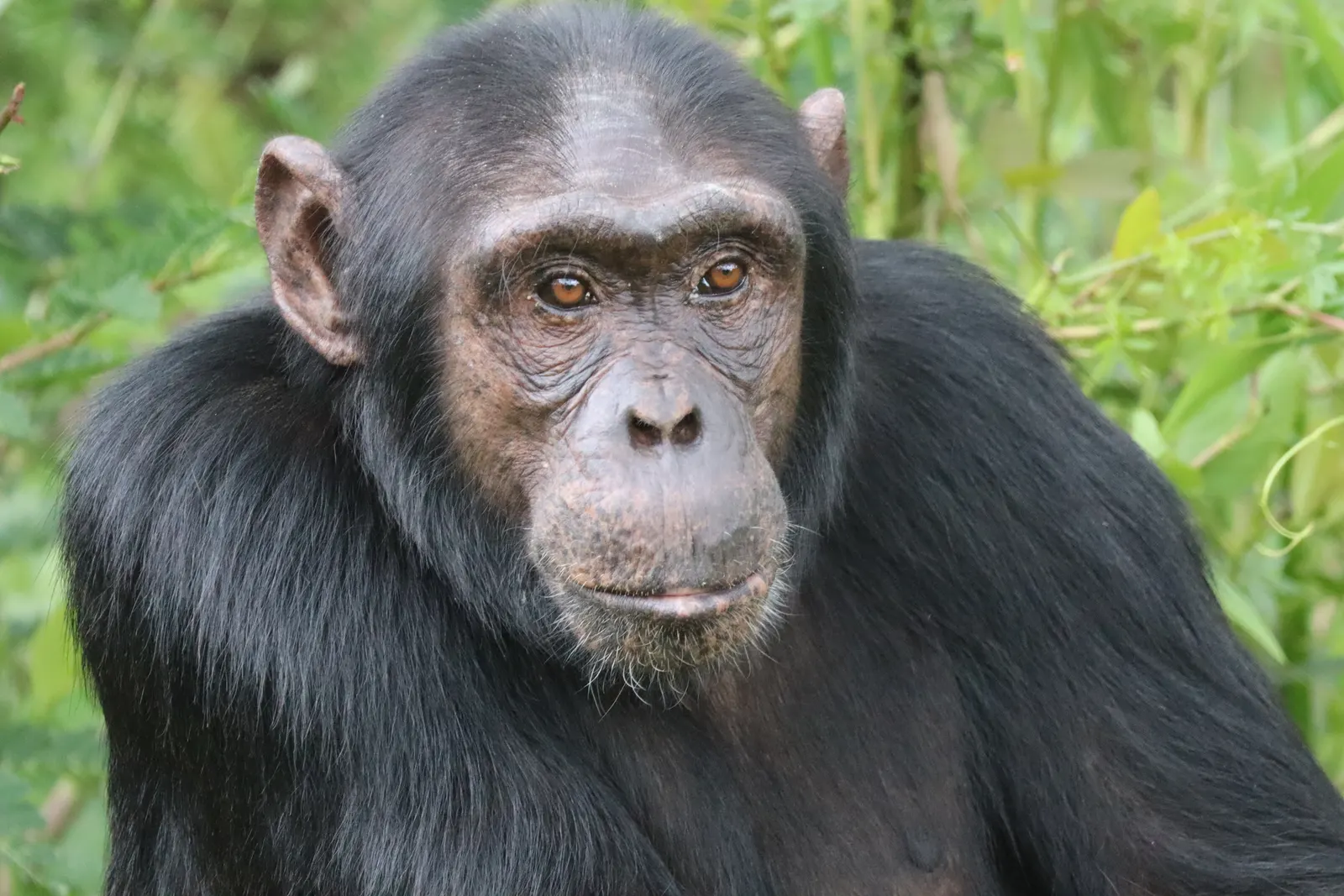
When you do find them, you stop talking. They eat, groom, scream at each other, throw the occasional branch. A young male will pound his feet against a buttress root in a rhythm that sounds rehearsed. An old female will stare at you for a long second and then go back to her fig. The hour passes with surprisingly little drama and surprisingly much intimacy — these are the closest living relatives we have, and watching them go about an ordinary morning is its own quiet education.
Bring layers, light hiking boots, a rain shell, insect repellent, and a long lens if you’re shooting — chimps tend to be high in the trees rather than at eye level. Trousers tucked into socks save you from safari ants.
If a half-day isn’t enough, the full-day Chimpanzee Habituation Experience (CHEX) lets serious primate watchers shadow a semi-habituated group from waking nest to evening nest. It’s longer, harder, and quieter. Either way, your permit fee goes to Kibale’s ranger force and the Bigodi community wetland next door — a separate, gentler birding walk that’s worth pairing with the trek.
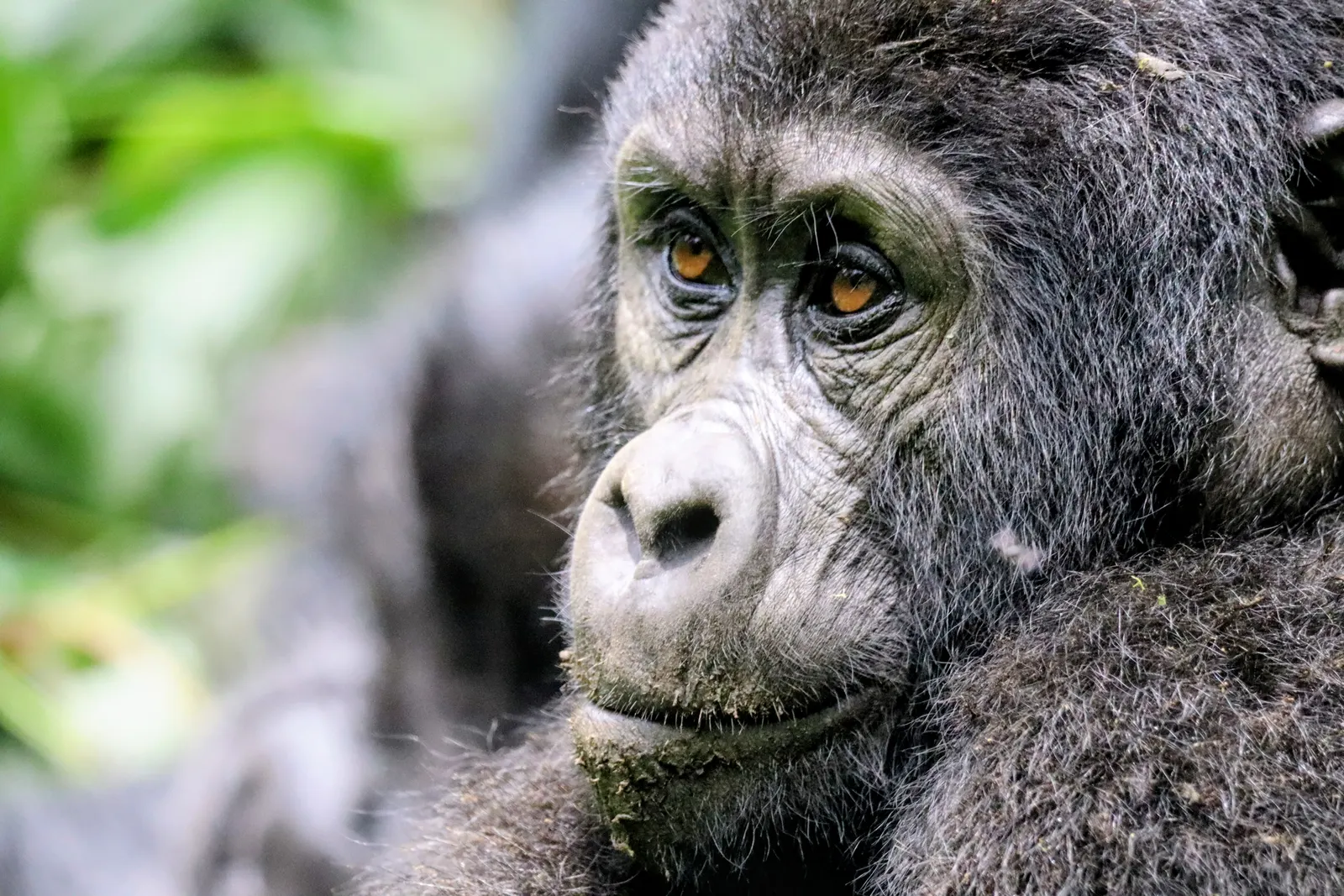
Gorilla Trekking in Bwindi
A morning trek through one of Africa's oldest rainforests to spend a regulated hour seven metres from a habituated mountain gorilla family in the Bwindi mist.
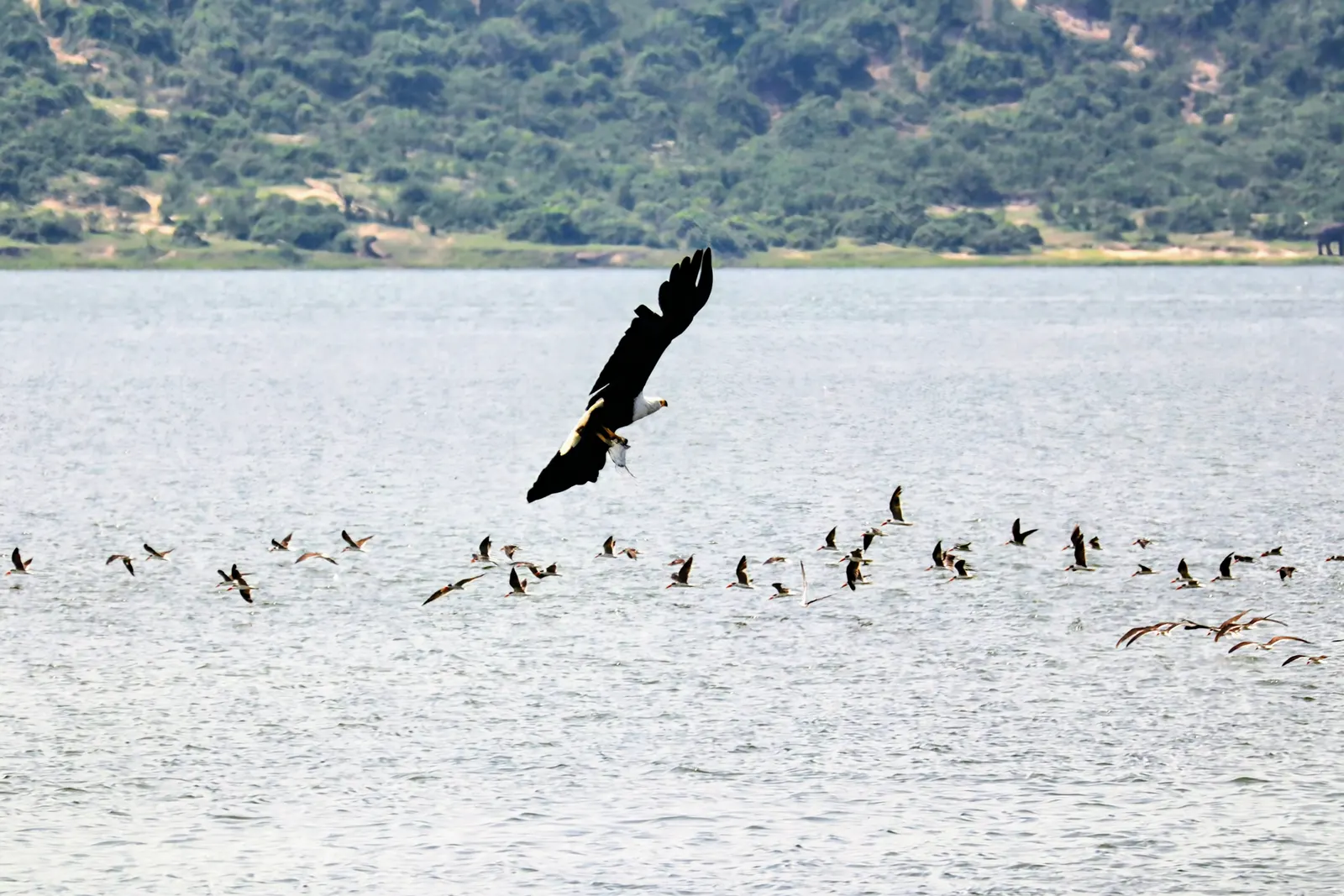
Murchison Falls Safari & Nile Boat Cruise
Two unhurried days pairing dawn game drives across the Buligi plains with an afternoon boat cruise to the foaming base of the falls — where the entire Nile squeezes through a seven-metre gap and drops 43 metres.
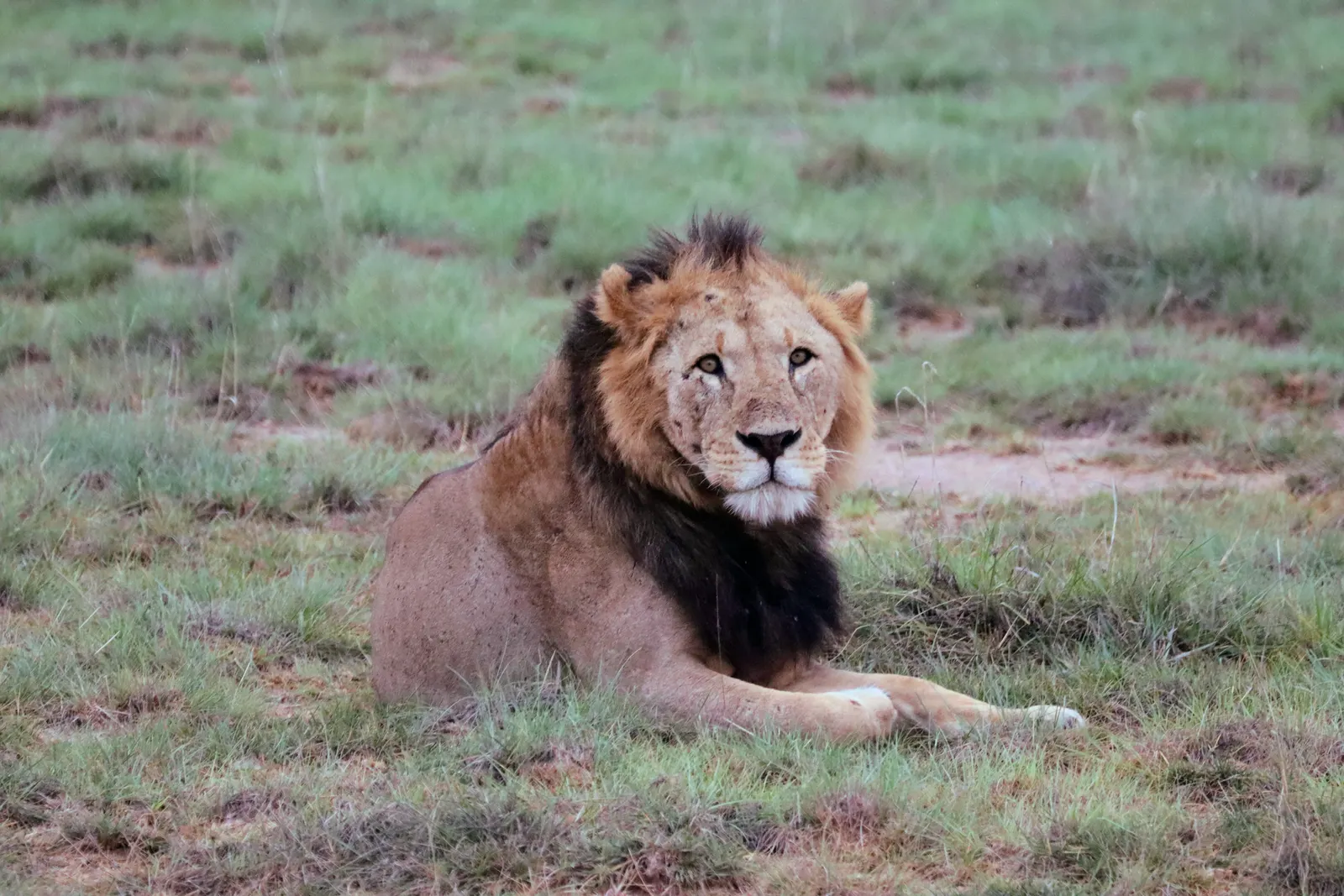
Queen Elizabeth: Tree-Climbing Lions & the Kazinga Channel
Two days searching the fig trees of Ishasha for lions stretched along the branches, then a Kazinga Channel boat cruise through the densest hippo population on earth.