Lake Bunyonyi & Cultural Encounter
Kabale District, southwestern Uganda
1–2 nights
Easy
December–February, June–August
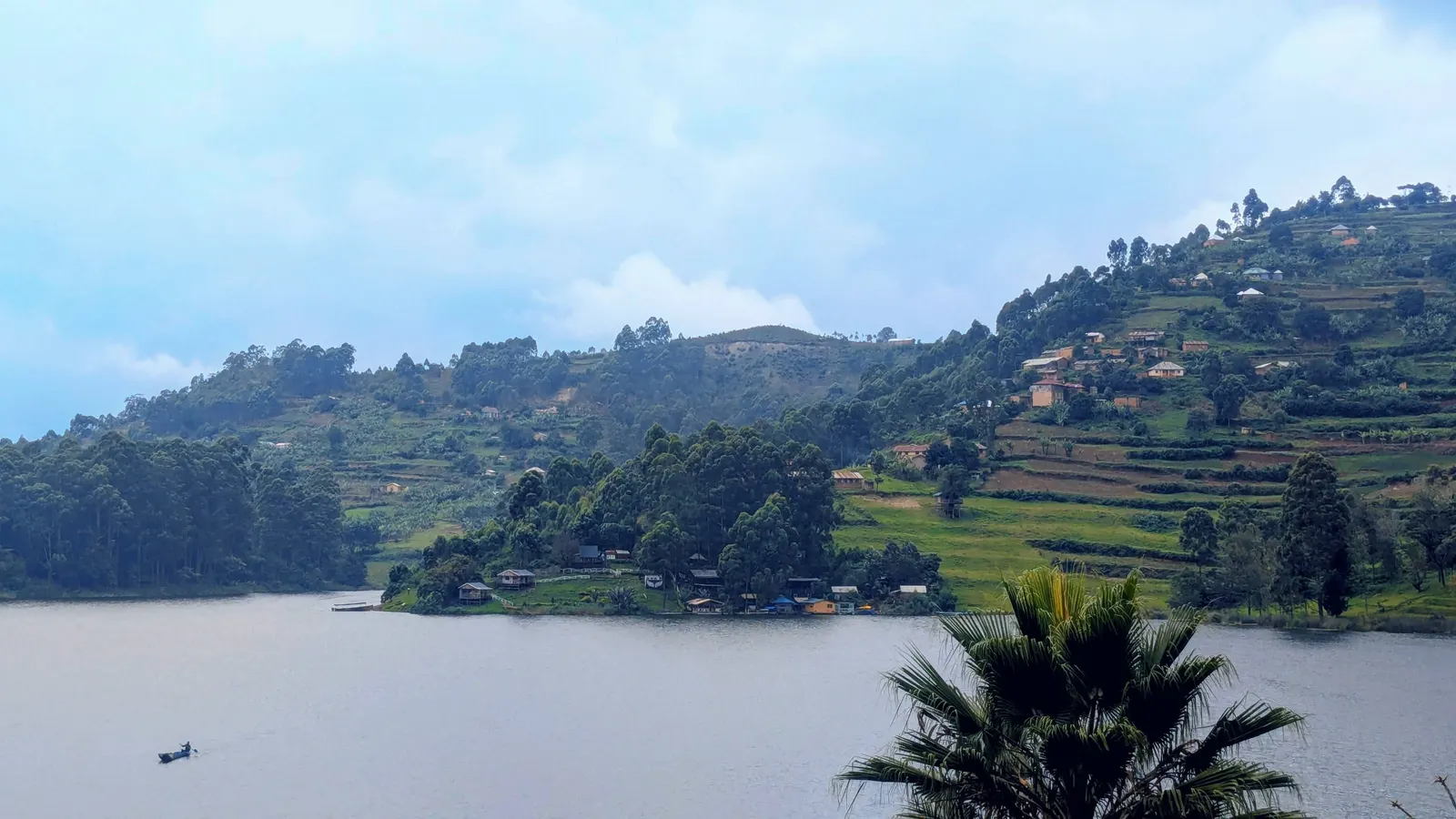
Bunyonyi is where you exhale. After three days of mud and altitude in Bwindi, after the early starts and the long drives, the lake just sits there at 1,962 metres, ringed by terraced hills, with twenty-nine small islands scattered across it like punctuation. Most travelers spend two nights here. Most travelers wish they’d spent three.
The lake is unusual for Africa: no bilharzia, no hippos, no crocodiles. You can actually swim in it. Most lodges have a dock or a strip of beach, and a slow morning swim with the mist still on the water is the kind of small luxury this trip earns you.
The headline activity is the dugout canoe. These are simple wooden boats, paddled by local boatmen who have grown up on this water, and the rate of travel is roughly the rate of a slow walk. You’ll move between the islands — Punishment Island with its sad history, Bushara with its eucalyptus, Akampene’s small chapel — and the boatman will tell you the stories as you go. Take a packed lunch. Take a book. Don’t take a phone unless you must.
The cultural side of Bunyonyi is the Batwa. Until the early nineties the Batwa lived as forest hunter-gatherers in what is now Bwindi and Mgahinga National Parks. When the parks were gazetted to protect the gorillas, the Batwa lost their home. Several Batwa-led community projects around the lake now host visitors for an afternoon — a walk, traditional songs, a demonstration of the herbal medicine they have used for centuries, and a frank conversation about what conservation has meant for them. Pay the fee directly to the community. Bring small gifts if you have them — pencils for the kids are always welcome.
If you have the legs, hike the hills above the lake at sunset. The terraces glow gold and the lake turns to mercury, and you’ll understand why this part of Uganda is the one most travelers say they’d come back for.
Gorilla Trekking in Bwindi
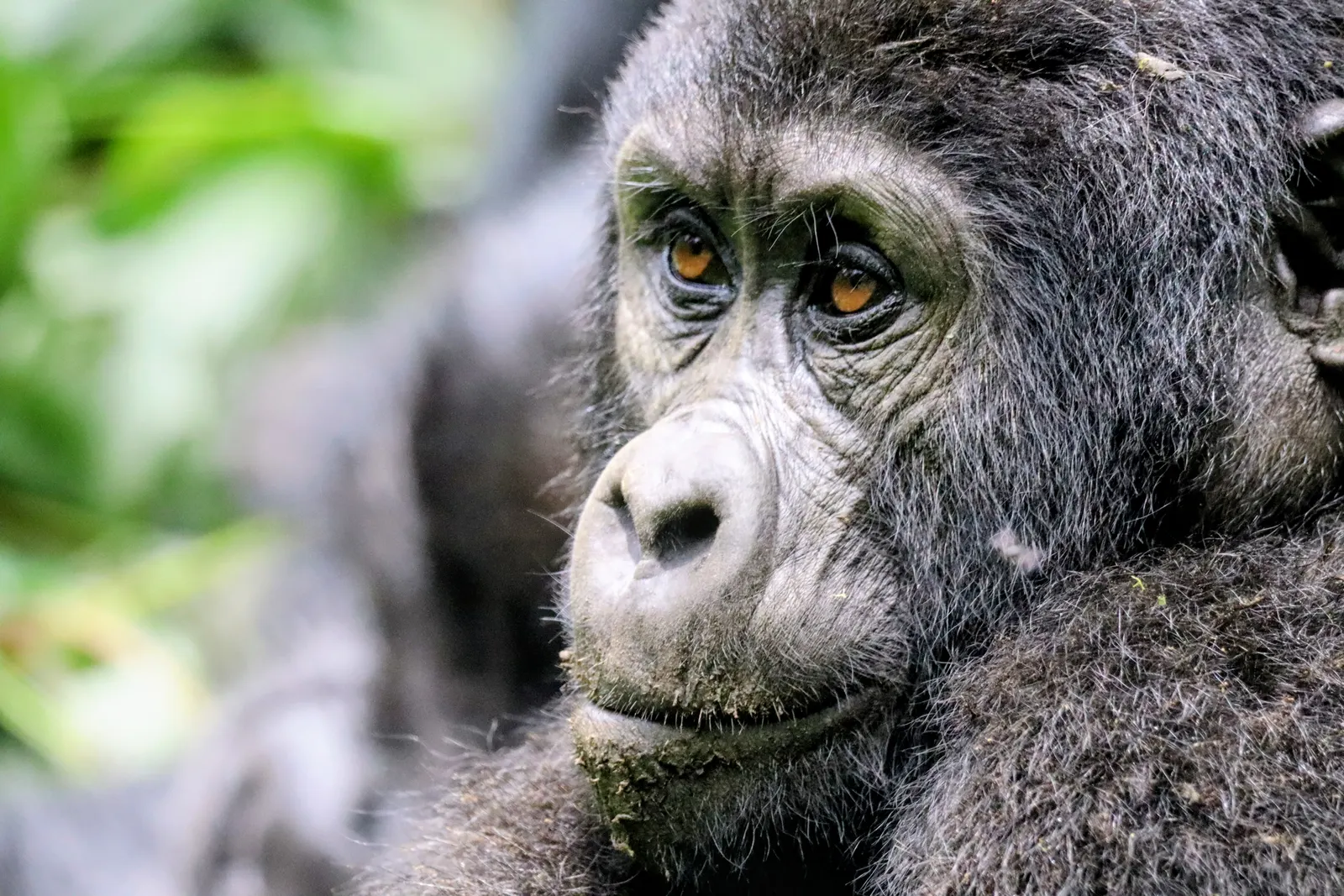
A morning trek through one of Africa's oldest rainforests to spend a regulated hour seven metres from a habituated mountain gorilla family in the Bwindi mist.
Chimpanzee Tracking in Kibale Forest
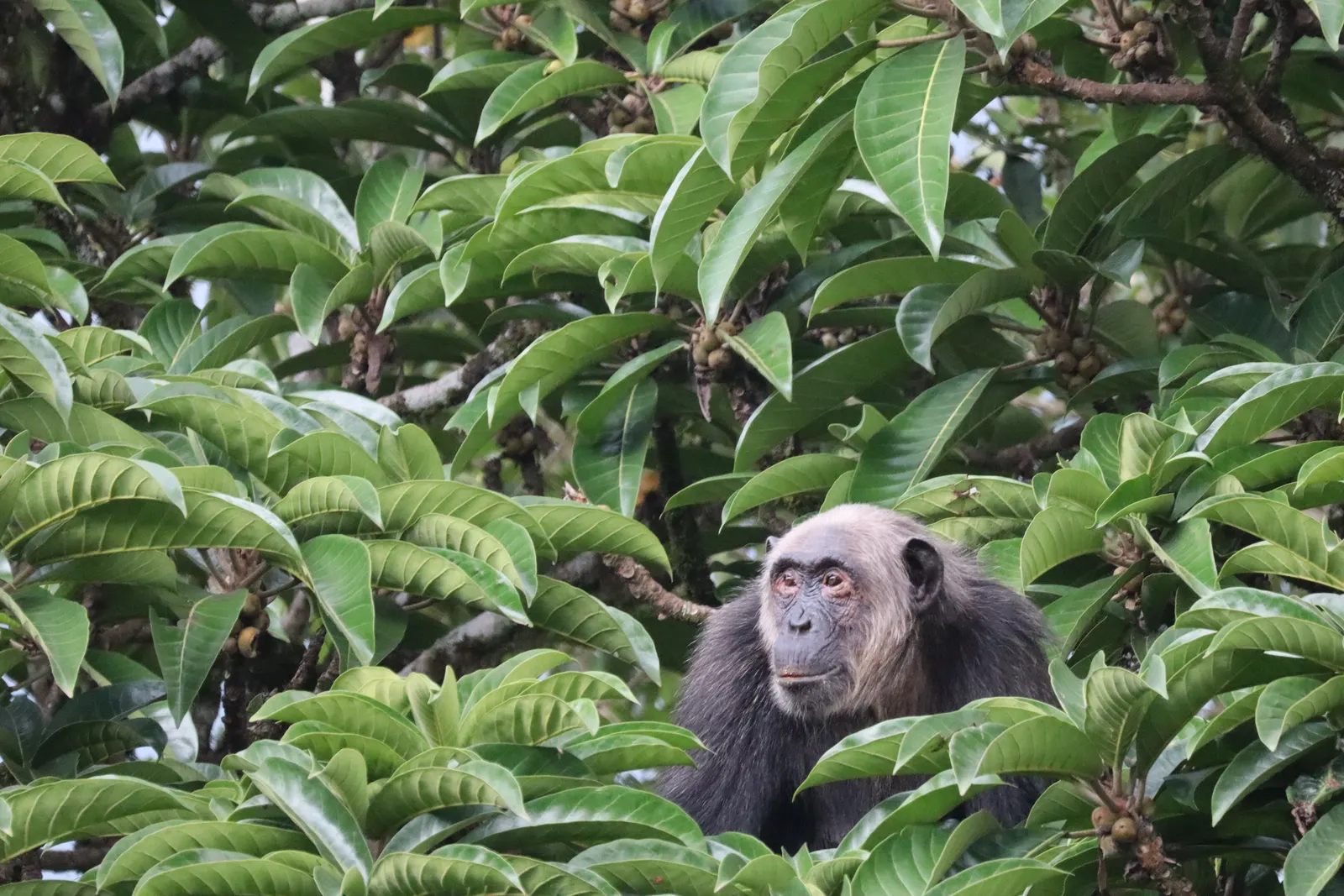
A dawn walk into East Africa's densest chimpanzee forest, following pant-hoots through the canopy until you find the troop and spend an hour at their pace.
Murchison Falls Safari & Nile Boat Cruise
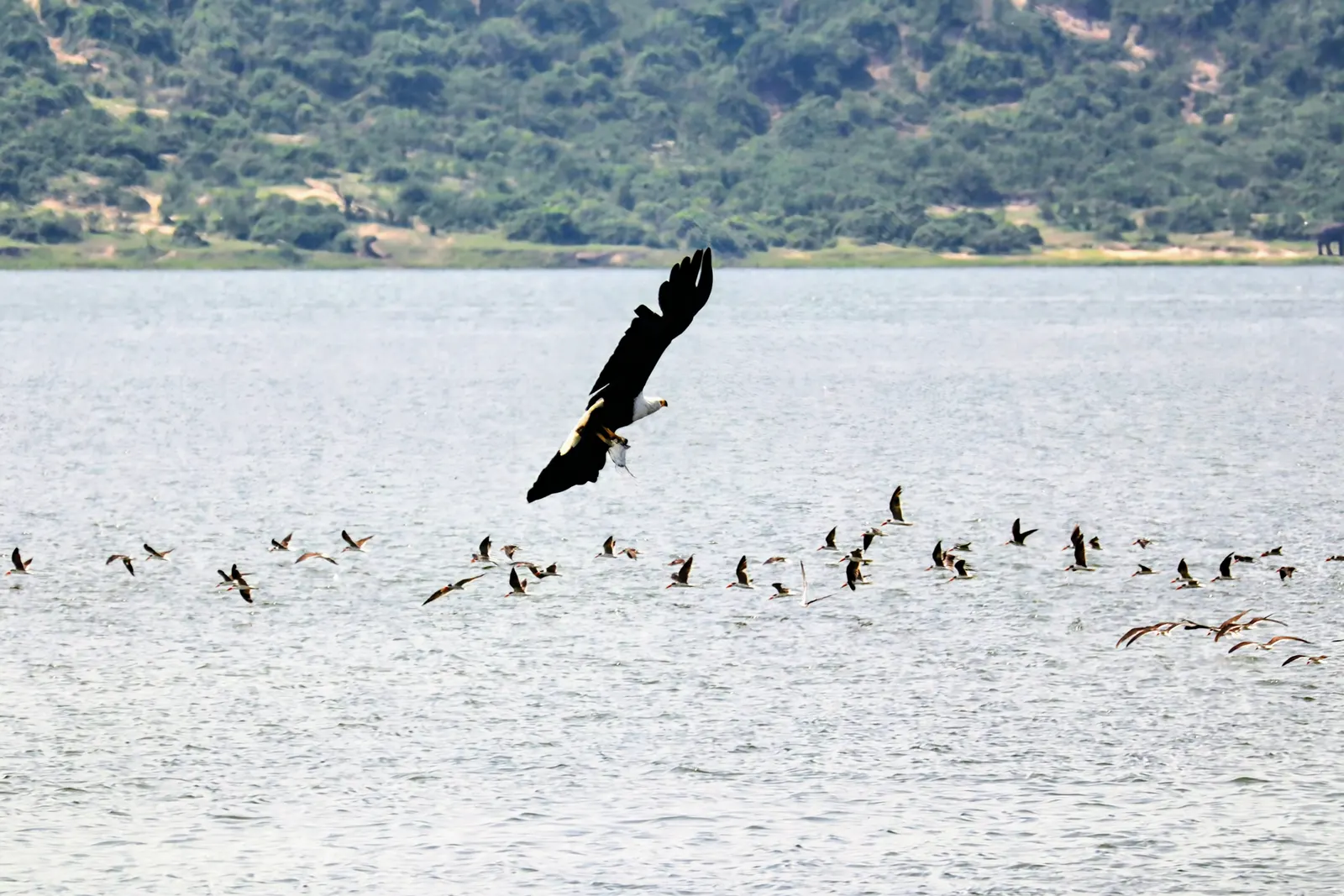
Two unhurried days pairing dawn game drives across the Buligi plains with an afternoon boat cruise to the foaming base of the falls — where the entire Nile squeezes through a seven-metre gap and drops 43 metres.