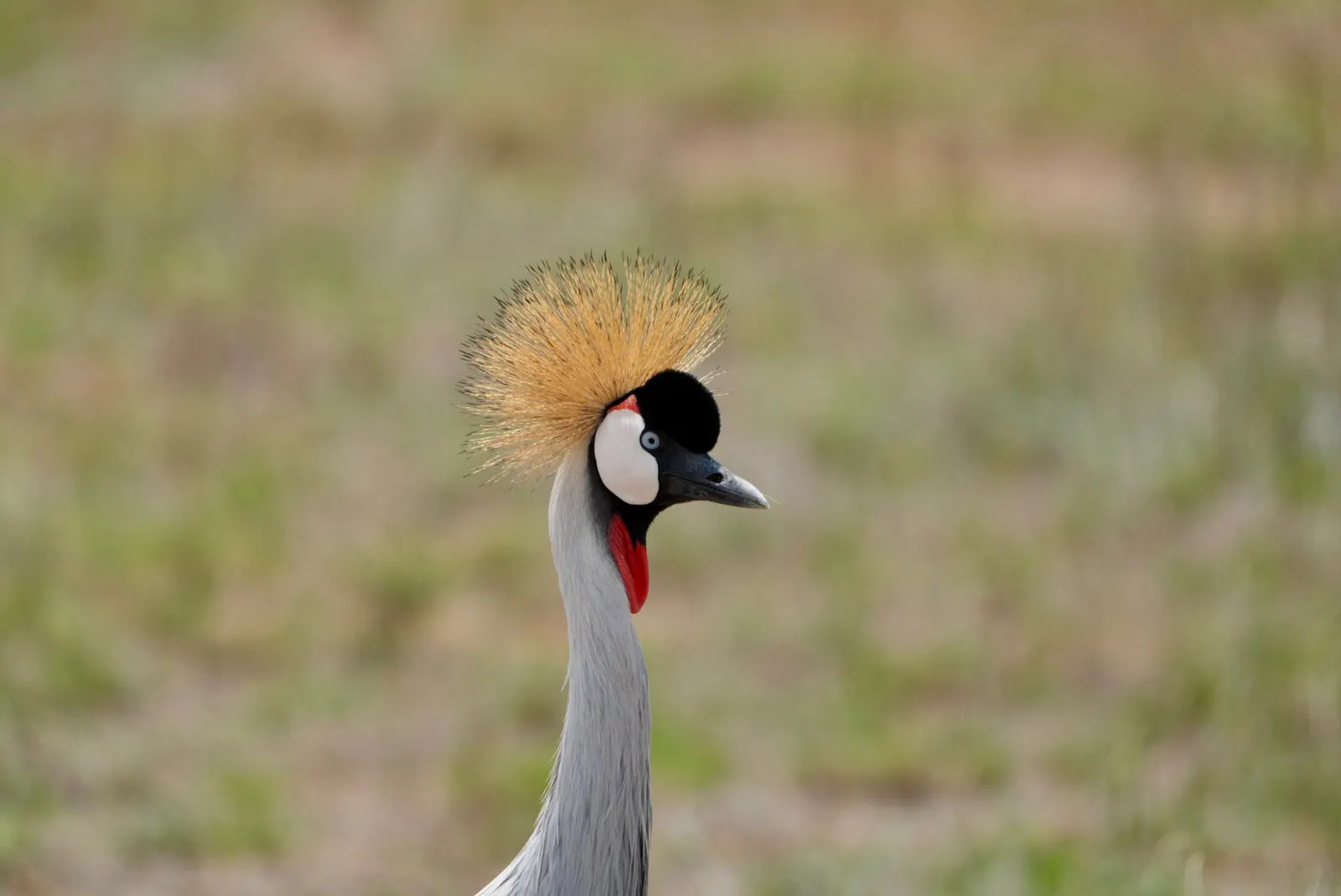
Shoebill Birding at Mabamba Swamp
Mabamba Bay Wetland, Lake Victoria
Half-day (3–5 hours)
Easy
Year-round; January–March is best for shoebills
The shoebill is hard to describe to someone who hasn’t seen one. Five feet tall. Slate-blue. A bill the shape and size of a wooden clog with a hook on the end. It stands motionless in shallow water for thirty, forty, sometimes ninety minutes at a stretch — and then, when a lungfish surfaces beneath it, it strikes faster than you can register. Mabamba is the most reliable place on the continent to find one.
You’ll leave Entebbe before sunrise and drive twelve kilometres west to the swamp’s edge. The boat is a long, narrow, motorised dugout — Mabamba’s own design, low to the water, ideal for slipping through the papyrus channels without scaring anything off. A local guide who has worked these channels his whole life sits in the bow with binoculars. You sit in the middle, low in the boat, and watch.
The first hour is rich with smaller birds. African jacanas walking across lily pads. Pied kingfishers hovering and dropping. Malachite kingfishers — small, brilliant, electric blue. The papyrus gonolek calls in duet from the reeds; the long-toed lapwing picks its way along the floating mat. Between sightings the boatman cuts the engine and you drift in silence.
When the shoebill comes, it’s usually a long way off at first. The guide spots it before you do. The boat eases closer in increments, never closer than the bird is comfortable with. You’ll get five, sometimes ten, sometimes thirty minutes with it standing in plain view — long enough to understand the strangeness of the thing, the way it holds itself, the way it occasionally clatters that enormous bill.
Mabamba sits an hour’s drive from the international airport, which makes it the perfect first morning of a Uganda trip or — better — the perfect last one. Bring binoculars, sun cover, and a long lens if you shoot photos. Wear layers; the early morning over the water is cooler than you’d expect on the equator.
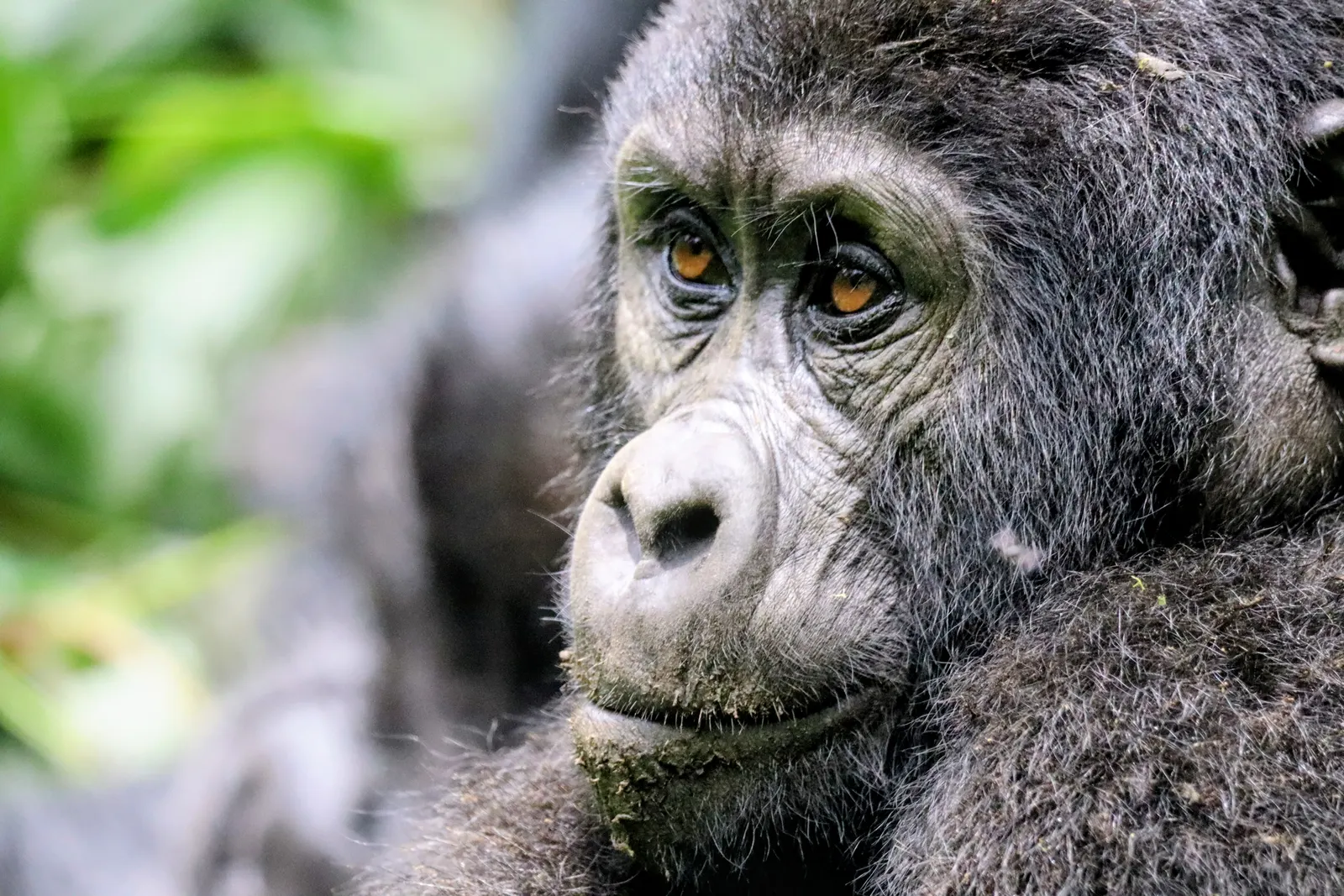
Gorilla Trekking in Bwindi
A morning trek through one of Africa's oldest rainforests to spend a regulated hour seven metres from a habituated mountain gorilla family in the Bwindi mist.
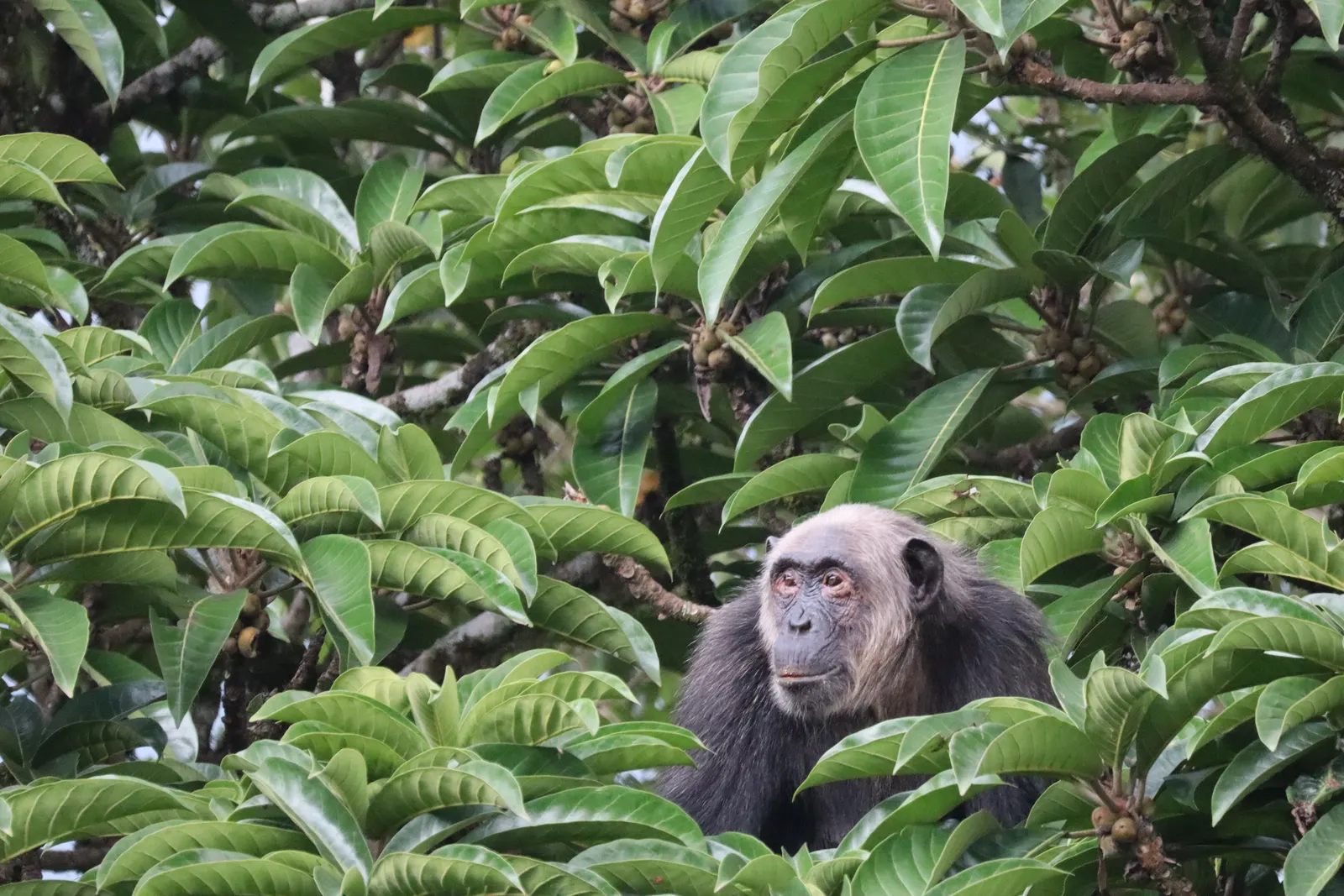
Chimpanzee Tracking in Kibale Forest
A dawn walk into East Africa's densest chimpanzee forest, following pant-hoots through the canopy until you find the troop and spend an hour at their pace.
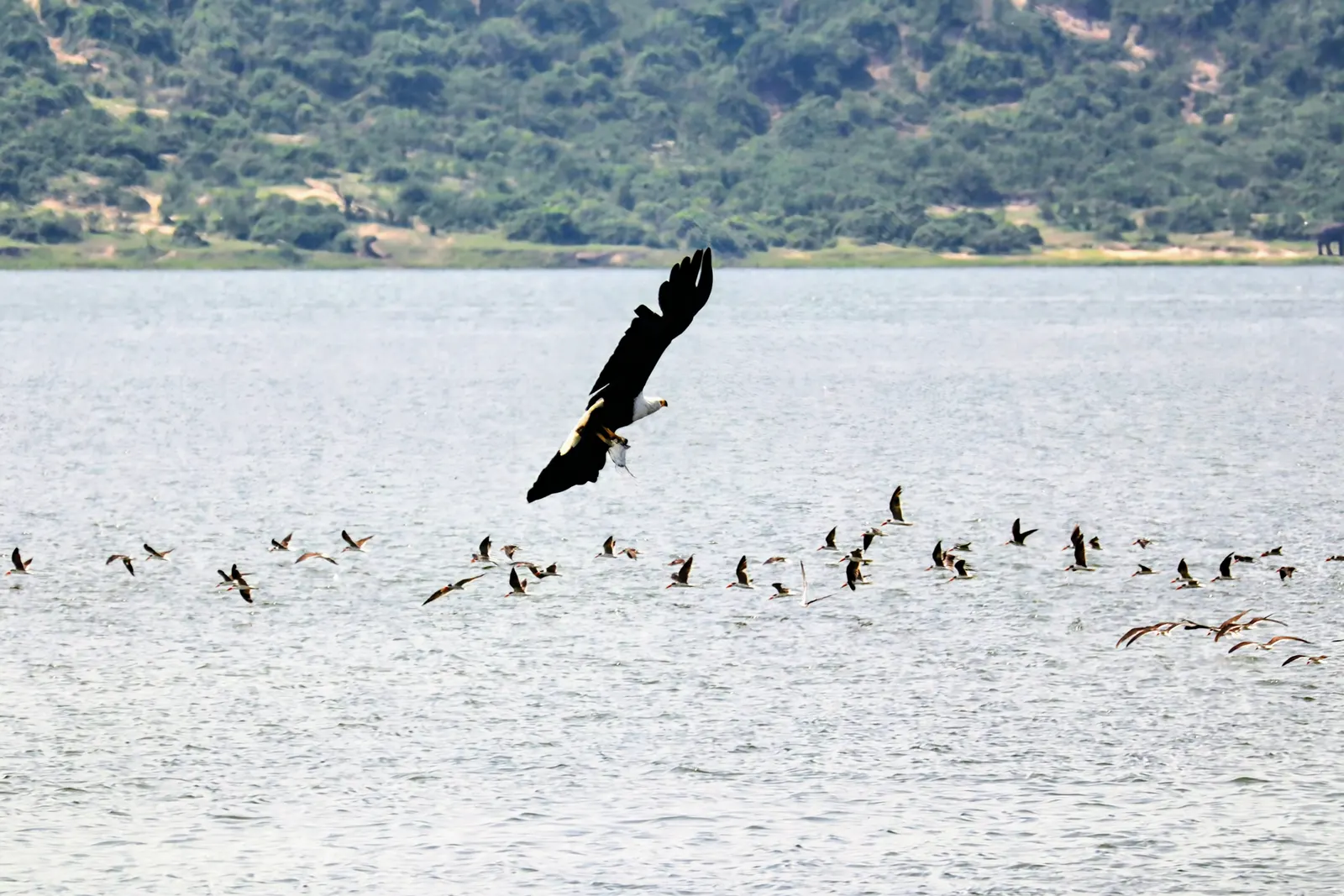
Murchison Falls Safari & Nile Boat Cruise
Two unhurried days pairing dawn game drives across the Buligi plains with an afternoon boat cruise to the foaming base of the falls — where the entire Nile squeezes through a seven-metre gap and drops 43 metres.